Live & instant
Dragon Tiger Rules
Dragon Tiger is a card comparison game where the higher single card wins. The dealer deals one card to the Dragon position and one to the Tiger, and players bet on which will be higher or on a Tie. Dragon and Tiger bets pay even money (1:1), and there are no further cards, draws or decisions.
Aces are low, kings are high, and suits do not matter for the main bets. If both cards have the same rank, the round is a tie: under the common rule, Dragon and Tiger bets lose half the stake. With that rule the main bets carry a house edge of about 3.73%, while the Tie bet has a much higher edge.
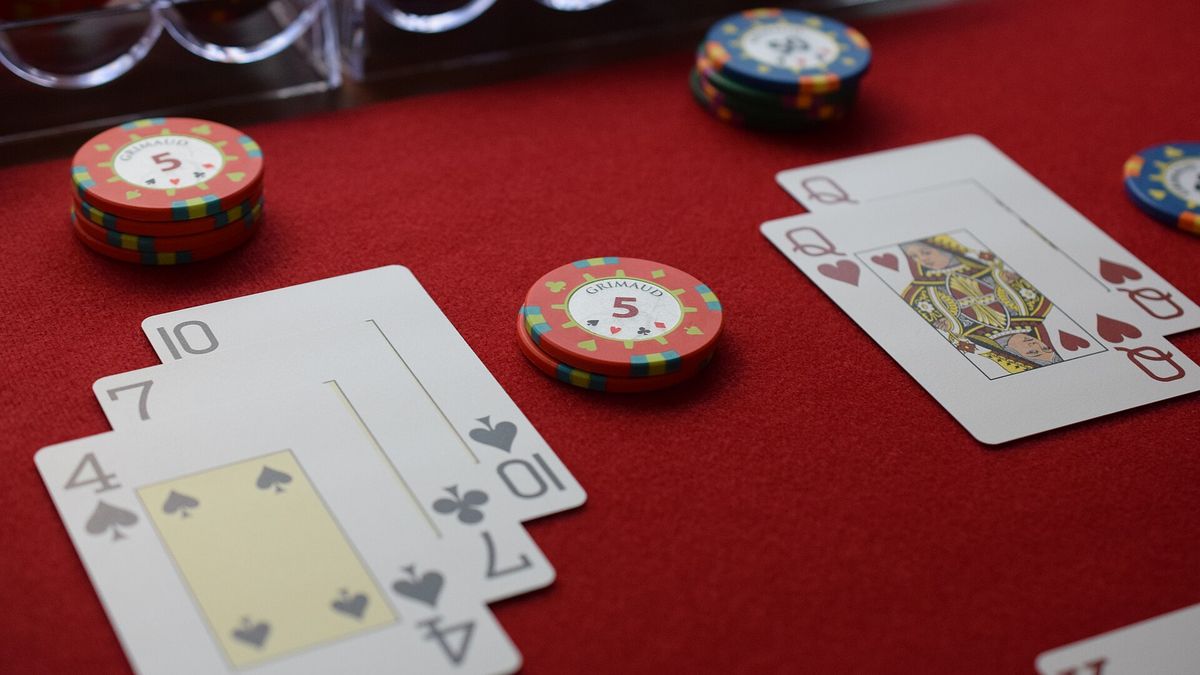
Game setup and card ranking
Live tables usually deal from a shoe of several standard 52-card decks, often eight. Aces are always low, ranking below the two. Otherwise the cards rank in the usual order: 2-3-4-5-6-7-8-9-10-Jack-Queen-King. Only rank counts for the main bets, so a seven of hearts against a seven of spades is a tie.
A round takes only moments: bets are placed, two cards are dealt face up and the result is settled. That speed is part of the appeal, but more rounds per hour also means more money exposed to the house edge.
The Dragon, Tiger and Tie bets
| Bet | Wins when | Typical payout |
|---|---|---|
| Dragon | Dragon card is higher | 1:1 |
| Tiger | Tiger card is higher | 1:1 |
| Tie | Both cards have the same rank | 8:1 or 11:1 |
| Suited Tie | Same rank and same suit | often 50:1 |
On the main bets, a ₹1,000 bet on Dragon returns ₹2,000 (stake plus ₹1,000) if Dragon wins, is lost if Tiger wins, and returns ₹500 on a tie. Some tables use different tie rules, so check the rules screen of the table in front of you.
The Tie bet is a separate wager that only wins if the two cards match in rank, and the payout varies by table. In an eight-deck shoe a tie comes up in roughly 7.5% of rounds, which gives the Tie bet a house edge of about 10% at 11:1 and more than 30% at 8:1. The Suited Tie is a much harder proposition and also carries a high edge.
House edge and choosing a bet
The main bets get their edge from the tie rule. Dragon and Tiger each win about 46% of rounds and lose about 46%, and in the remaining 7.5% or so the player loses half the stake. That half-stake loss on ties works out at about 3.73% of every rupee bet on Dragon or Tiger.
The main Dragon or Tiger bet therefore has the lowest house edge on the table, and the side bets cost considerably more. Live tables often show a trend board of past results, but each round is dealt independently and past results do not predict the next card. No betting pattern or system beats the house edge.
For Indian readers, the Promotion and Regulation of Online Gaming Act, 2025 prohibits offering, facilitating, advertising and processing payments for online money games, including online casino games. Land-based casinos operate legally only in Goa, Sikkim and Daman under state law. This page explains the rules only and is not legal advice.
Related guides
 Live & instantLive dealer casinos
Pro-Casinos - Indian Online Live Casinos, the best of 2026 including gaming providers, software, payment…
 Live & instantLightning Roulette
How Evolution's Lightning Roulette differs from European roulette: lucky numbers, 50x to 500x multipliers,…
- Live & instantCrazy Time
How the Crazy Time live game show works: the 54-segment money wheel, number and bonus bet spots, the Top Slot…