Table games
Roulette Payouts and Odds
Every roulette bet pays according to how many numbers it covers: a single number pays 35:1, an even-money bet such as red or black pays 1:1, and everything in between is scaled to match. The payout is always slightly less than the true odds, though, and that gap is the house edge.
How big the gap is depends on the wheel. The European wheel has 37 pockets, 1 to 36 plus a single 0, and the house edge is 2.70%. The American wheel has 38 pockets, including a 0 and a 00, and the house edge rises to 5.26%. Those figures apply to almost every bet on the table, regardless of the numbers you pick or the amount you bet.
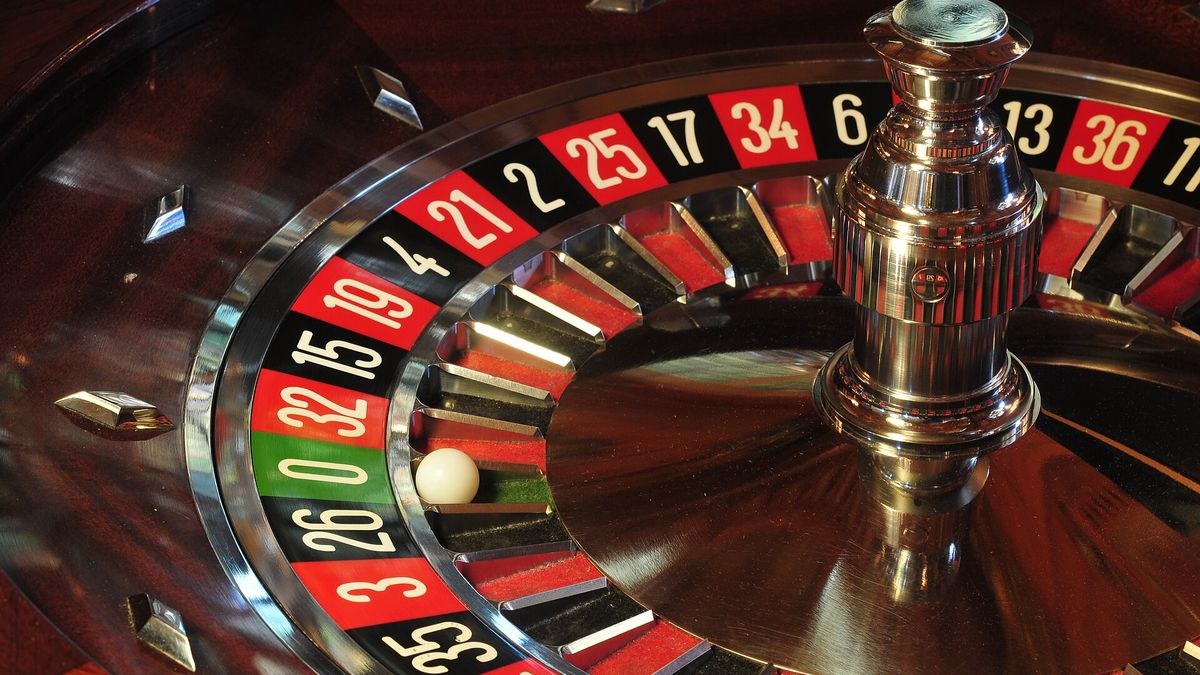
Inside and outside bets
A straight-up bet on a single number that wins pays 35:1. If you bet ₹100, a win returns ₹3,600: the original ₹100 plus ₹3,500 in winnings. The other bets follow the same logic, and the true odds below are for the single-zero wheel:
| Bet | Numbers covered | Payout | True odds against |
|---|---|---|---|
| Straight up | 1 | 35:1 | 36:1 |
| Split | 2 | 17:1 | 17.5:1 |
| Street | 3 | 11:1 | 11.3:1 |
| Corner | 4 | 8:1 | 8.25:1 |
| Six line | 6 | 5:1 | 5.2:1 |
| Dozen or column | 12 | 2:1 | 2.1:1 |
| Red/black, odd/even, low/high | 18 | 1:1 | 1.06:1 |
Inside bets sit on the number grid. A split is a chip on the line between two adjacent numbers; a street covers a row of three, such as 1, 2 and 3; a corner covers four numbers that meet at one point; a six line covers two neighbouring streets. Outside bets sit around the grid. A dozen covers 1–12, 13–24 or 25–36, and a column covers one of the three vertical columns of 12 numbers. The even-money bets split 1 to 36 into red and black, odd and even, or low (1–18) and high (19–36). The zero is none of these, so every outside bet loses when it comes up.
Payouts versus true odds
On a European wheel, a straight-up bet wins once in 37 spins on average, so the true odds are 36 to 1 against. The casino pays 35 to 1. Bet ₹100 on one number for 37 spins: you stake ₹3,700 in total, win once on average and get back ₹3,600. The missing ₹100 is 2.70% of what you staked, and every other bet on the layout works out to the same percentage.
On an American wheel, the same bet wins once in 38 spins, so the true odds are 37 to 1, but the payout stays at 35 to 1. Across 38 spins at ₹100, you stake ₹3,800 and get back ₹3,600, a loss of ₹200, or 5.26%. The payout table is identical on both wheels; the extra pocket alone almost doubles the cost of play. This is why, all else equal, a single-zero wheel is always the cheaper table.
La partage and the limits of any system
Some single-zero tables, mostly those offering French roulette, use the la partage rule: when the ball lands on zero, even-money bets lose only half the stake. That halves the house edge on those bets to 1.35%. It is a house rule rather than a default, and it does not apply to inside bets, dozens or columns, which stay at 2.70%. The table rules or the game's help screen say whether it is offered.
No betting system changes these numbers. Every spin is independent, the payouts stay below the true odds, and no system beats the house edge. Choosing a single-zero wheel lowers the cost of play; which bet you make on that wheel barely matters, because almost all of them carry the same 2.70%.
Related guides
 Table gamesRoulette
Roulette is one of the oldest casino games with many strategies for beating the house. Now players from India…
 Table gamesBlackjack
Blackjack is one of the oldest table games played at casinos around the world. Pro-Casinos shows you…
- Table gamesBlackjack strategy
What blackjack basic strategy is, how to read the chart, the core rules for splitting and doubling, and why…