Guides
RTP in Slots Explained
RTP, or return to player, is the percentage of all money wagered on a slot that the game is designed to pay back to players over a very large number of spins. A slot listed at 96% RTP is built to return about ₹96 for every ₹100 staked, measured across millions of spins and many players.
The published RTP is not a guarantee of what a player will win or lose in a single session. Over one evening, or even a few thousand spins, a player can finish well above or well below that figure. RTP describes the long-run average of the game's maths; the result of any one session depends on chance and on the game's volatility.
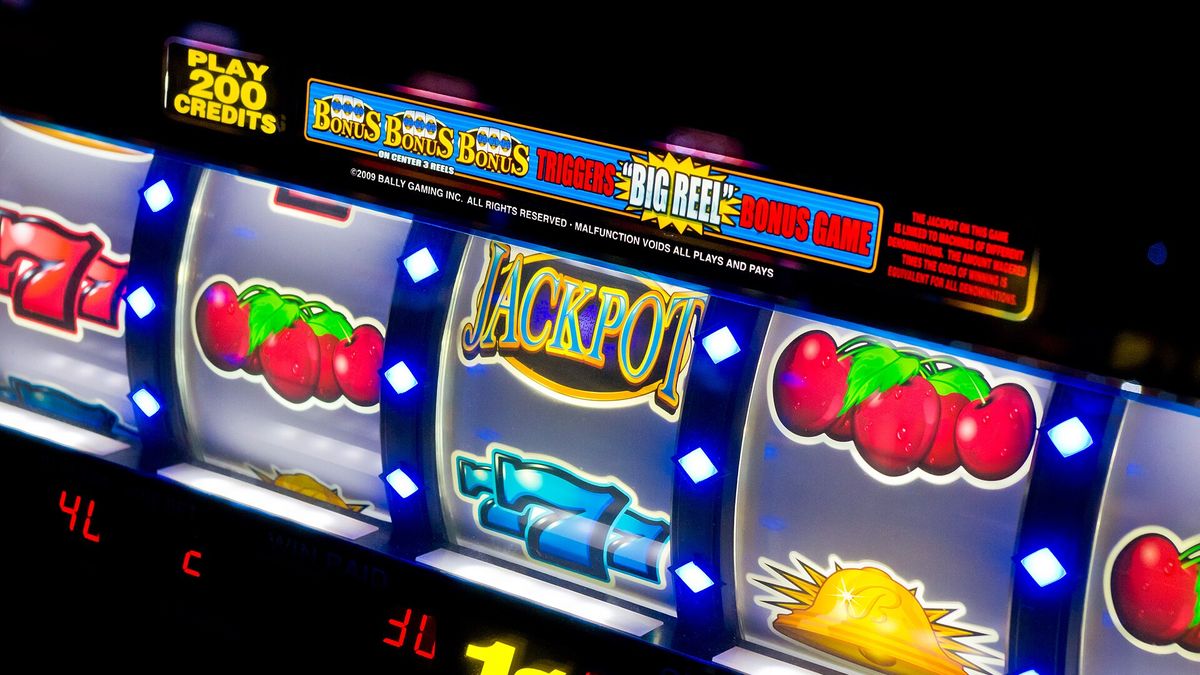
RTP and house edge
RTP is the player-facing version of the slot's house edge: the difference between 100% and the RTP expresses exactly the same casino advantage. A 96% RTP slot carries a 4% house edge, a 98% slot holds an edge of 2%, and so on. House edge and RTP are two expressions of the same underlying maths, and they always add up to 100%.
In rupees, a player who stakes ₹10 a spin for 1,000 spins has turned over ₹10,000. At 96% RTP the expected return on that turnover is ₹9,600, an expected cost of ₹400. The actual result of those 1,000 spins could be much better or much worse; ₹400 is only what the maths predicts on average. Turnover also counts winnings that are staked again, so a small balance can generate a large turnover.
RTP is a long-run figure because it is calculated from every possible outcome of the game's random number generator and paytable. A large share of the return can sit in rare features and top prizes, so over short stretches the return a player sees rarely matches the published number. Only over a very large number of spins does the average settle close to it.
Same slot, different RTP settings
The same slot may show a different RTP on different sites or in different jurisdictions. Many game studios release a title in several RTP versions, and the operator chooses which version to run. So two players on the same game may be playing with different published figures.
The gap matters more than it looks. A slot at 96% has a 4% edge, while a version at 94% has a 6% edge, so the expected cost is half as high again. On ₹10,000 of turnover that is about ₹400 against about ₹600.
Where to find the RTP
The figure is usually published in the game's info, help or rules screen, often opened from an "i" or menu icon. Some games list more than one figure, for example a separate RTP for a feature that can be bought directly. Check the number inside the game you actually open rather than a figure quoted elsewhere, because the version running may differ.
A higher RTP means a lower expected cost per rupee staked, but it does not make a slot more likely to pay in a given session; that depends far more on volatility and on how much is staked. No betting system changes the RTP or beats the house edge.
For Indian readers, the Promotion and Regulation of Online Gaming Act, 2025 prohibits offering, facilitating, advertising and processing payments for online money games, including online casino games. This page explains game maths only and is not legal advice.
Related guides
 GuidesSlot volatility
How low, medium and high volatility slots differ, how volatility differs from RTP, what hit frequency means…
 GuidesHouse edge
What house edge is, how it is calculated, how blackjack, baccarat, craps, roulette and slots compare, and how…
- GuidesWagering requirements
What 35x wagering means in rupees: bonus-only versus bonus-plus-deposit turnover, game weighting, maximum bet…